CNC Fabrication and Scenic Construction: Turning Detailed Designs Into Physical Builds
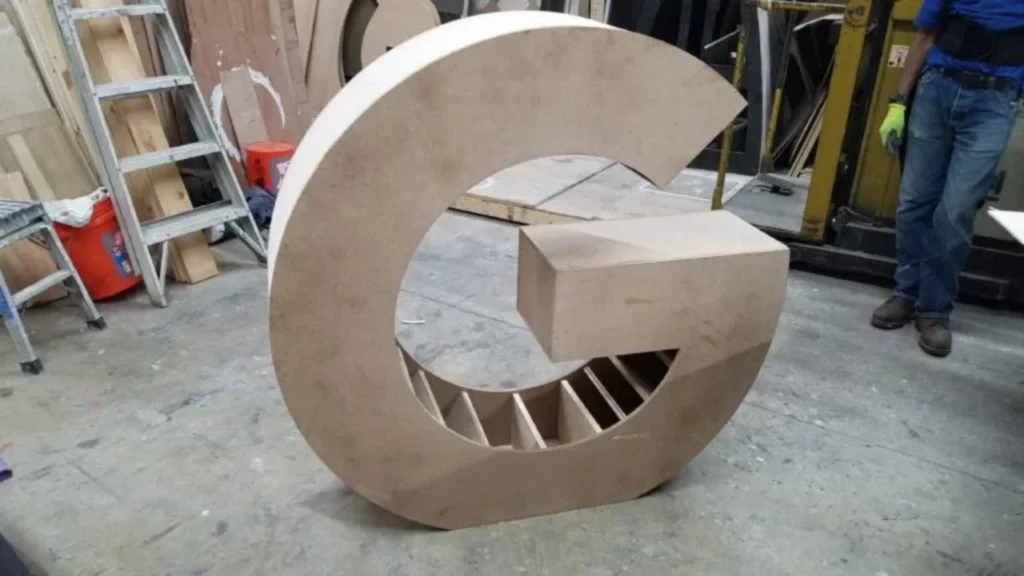
Custom scenic pieces often combine creative design with accurate measurements and repeatable components. CNC fabrication can help produce shaped parts and structural details that are difficult to create consistently by hand alone. DC Scenics’ website includes an image of a large letter frame being fabricated from CNC-cut ribs, illustrating how digital cutting can support a larger scenic build.
What CNC Fabrication Brings to Scenic Work
CNC, or computer numerical control, uses digital instructions to guide cutting or machining equipment. For scenic construction, this can help create repeatable shapes, dimensional lettering, patterned components and parts that need to fit together accurately. The technique is one tool in a wider process that may also include manual assembly, finishing and painting.
Good Results Start With a Clear Design File
The digital model or cutting file needs to reflect the intended dimensions, material thickness and assembly method. Details such as tolerances, connection points and orientation should be considered before production. Reviewing the design early can reduce rework and help the fabricated components fit the overall build.
From Individual Parts to a Finished Structure
CNC-cut ribs or panels are often components within a larger object rather than finished scenic pieces by themselves. They may need to be assembled, reinforced, surfaced, painted or combined with other materials. Planning the full construction sequence helps ensure the final piece is stable, visually consistent and practical to install.
Material Selection and Finishing Still Matter
Digital cutting does not replace material judgment. The selected material must suit the piece’s size, expected handling, finish and environment. Edges, seams and surfaces may require additional work to achieve the intended appearance, especially for components viewed up close or under bright lighting.
Coordinate Fabrication With Installation
A large fabricated element must be designed with transport and access in mind. If it cannot pass through the venue’s doors or loading route, the team may need to plan modular sections and connections. Installation order, lifting or handling needs, floor space and strike requirements should be considered before production is finalized.
How DC Scenics Approaches Custom Builds
DC Scenics’ portfolio shows scenic workshop activity, dimensional lettering and a letter frame made from CNC-cut ribs. The company creates custom scenic fabrication, backdrops, event sets and branded installations. When discussing a technically detailed build, provide the design files if available, desired dimensions, intended finish, installation environment and required completion date.
Frequently Asked Questions
What does CNC mean?
CNC stands for computer numerical control, a process in which digital instructions guide cutting or machining equipment.
How can CNC cutting be used in scenic fabrication?
It can create repeatable shapes, dimensional lettering components, ribs, panels and other parts used in custom scenic builds.
Does CNC-cutting produce a finished scenic piece by itself?
Not always. Components may still require assembly, reinforcement, surface treatment, painting and installation.
What files are useful for a CNC scenic project?
When available, share dimensioned drawings, vector files or digital models, along with material and finish requirements.
Why should installation details be planned before fabrication?
Doorways, loading routes, assembly space and schedule constraints can affect how a scenic element should be divided, transported and installed.